



Search
813 hits for "embryo tested"
Results (All results)
-
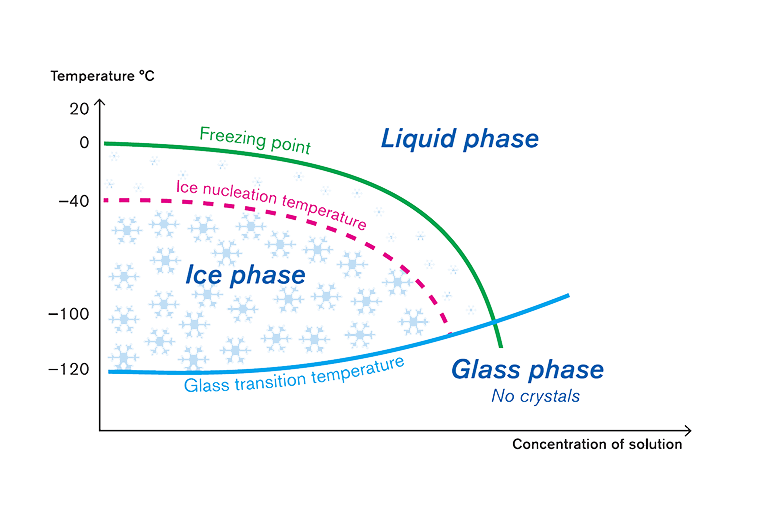
Succeed with vitrification - 3 factors that will influence your result
Vitrification has in recent years become the cryopreservation method of choice in many IVF clinics. With survival rates superior to slow freezing and developmental potential of oocytes and embryos similar to fresh ones, results similar to fresh oocytes and embryos can be obtained. To continuously achieve these high survival rates there are matters to think about. In this blog post Hubert Joris discusses some important factors.
-

Stress factors in the IVF laboratory
This course will help you identify the unique stress factors embryos are exposed to during assisted reproductive technology. We look at different sources of stress in the culture environment, laboratory environment as well as those created through procedural handling and how one can mitigate these factors.
-
The use of plastic equipment in IVF
There are at least 30 plastic items involved in every IVF procedure. If each of the 30 items used during an IVF-treatment reduces the embryos viability by 2%, the final viability at re-implantation is reduced by 44%. Download this white paper to learn about what to think about when using plastics in your IVF lab.
-

Do you know the characteristics of the perfect oil for IVF?
Perfect oil for IVF should do nothing but protect the culture. It should not have any negative influence on the gametes, embryos or media by adding unwanted or removing necessary components. However not all oils are or act the same. In this blog you will learn about different types of oil and things to consider when choosing oil for your IVF culture.
-

Academy PRO workshop
Are you interested in learning more about quality control and workflow optimisation with EmbryoScope time-lapse systems or maybe blastocyst culture, biopsy and vitrification? Follow the link and learn more about our two different workshop offers presented in Academy PRO.
-

Temperature measurements and temperature control in the IVF lab are crucial for your results
It is common practice to maintain a temperature of 37°C during all working and culture conditions in the IVF laboratory. This will allow for an optimal environment for the handling and culture of gametes and embryos. In this blog post Jaco Terblanche, from Vitrolife Academy, will explain why temperature control in the IVF lab is crucial, what equipment to be measured, when to measure and what to do with the results.
-
Webinar: 'Choosing 100% Time-lapse by Vitrolife in a high-capacity clinic: 3 experts share their why'
In this webinar, Philip Marsh, Lab Manager, UCSF (USA) talks about Boosting efficiency with EmbryoScope time-lapse integration and Matoula Liarmakopoulou, Senior Clinical Embryologist, Institute of Life – IASO (Greece) talks about Enhancing outcomes and optimising workflow in a busy setup and Michael Chan, Scientific Director for Public Fertility Service, The Royal Women’s Hospital (Australia) talks about Optimising IVF: Leveraging time-lapse technology for better care and efficiency This webinar was held February 2025.
-

Vitrification online training course
This course cover the background and technical details surrounding the vitrification and warming of oocytes and embryos. You will learn more about the details surrounding the Vitrolife media and devices used during vitrification and warming as well as the associated protocols. This short video will give you an introduction to the online course.
-

How to create optimal culture conditions by paying attention to quality control
The human embryo is extremely sensitive to stress and surrounding factors. In fact, the embryonic stage is the most sensitive stage of the whole life cycle. This is why it is particularly important to use safe and non-toxic products during gamete handling and embryo culture.
-
Optimised clinical outcomes with blastocyst culture and cryopreservation using Vitrolife G-Series culture media
A study by Zhu et al demonstrate that extended culture before cryopreservation allows for selection of viable embryos with a high chance of implantation after warming. The high blastocyst formation rate (73.8%) using Vitrolife culture media, together with an efficient cryopreservation program resulting in survival rates of >96% should eliminate any earlier concerns about blastocyst culture and cryopreservation.