



Search
813 hits for "embryo tested"
Results (All results)
-

Working together for you
Vitrification has become the cryopreservation method of choice due to the excellent outcomes. Vitrification, however, is time demanding and requires meticulous handling. Thus, the users are asking for a streamlined workflow and for a consistent and efficient procedure. With an increasing number of cryo cycles, the practical aspects of the method are more important than ever. Our solutions puts you in control. The method, media, device and accessories are all you need to simplify your workflow – from vitrification and storage to warming of oocytes as well as embryos. It is important to use standardised protocols with standardised volumes to ensure stable conditions.
-
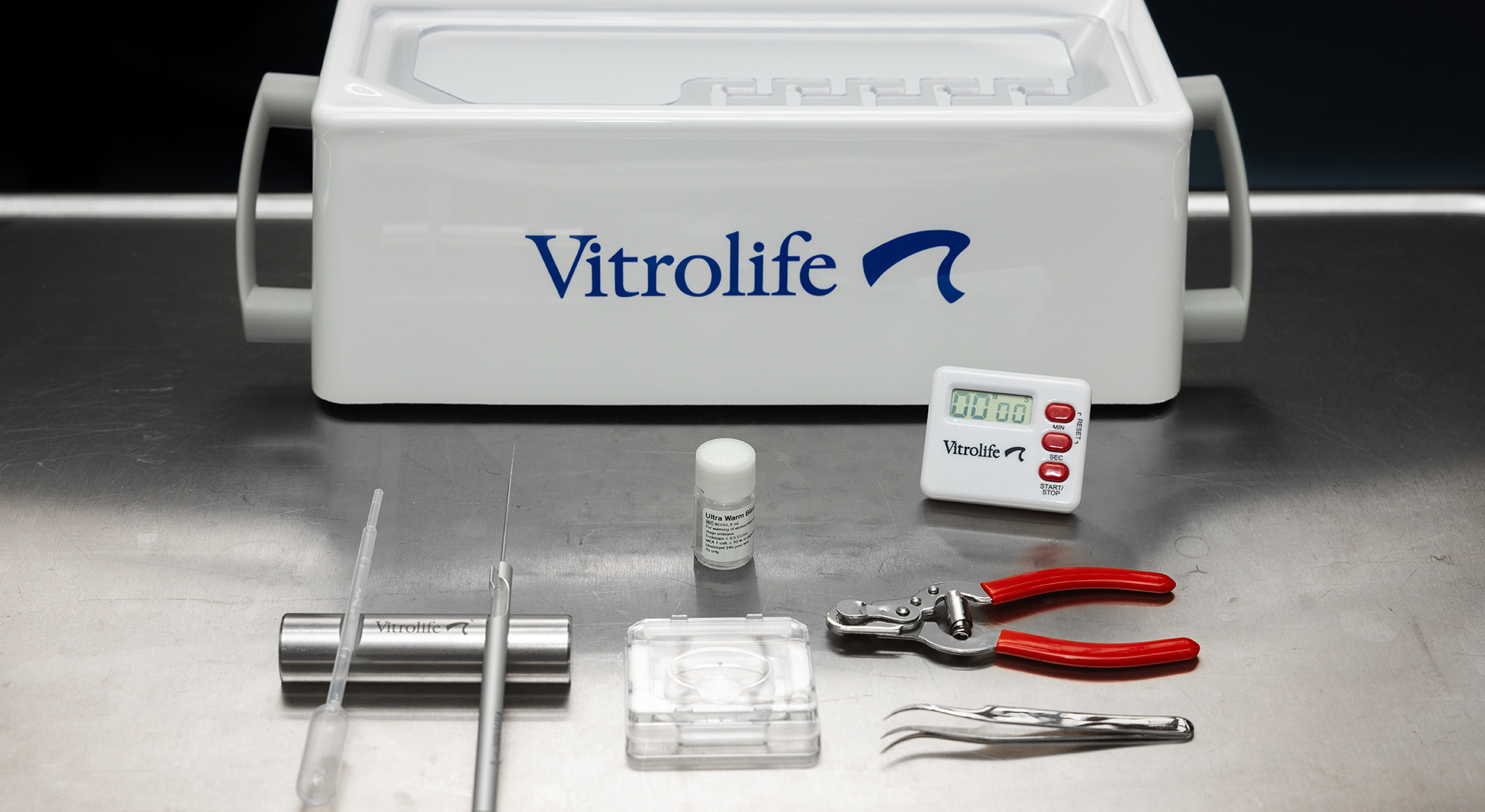
Gain 1 Hour Every Single Day with Ultra RapidWarm™ Blast
Ultra RapidWarm™ Blast helps embryologists save up to one hour of work time per day. It delivers a clinically proven one-step protocol that warms blastocysts in just minutes—with comparable survival and pregnancy rates. Ultra RapidWarm Blast is used for warming of vitrified human blastocyst-stage embryos. The medium contains 0.25 M sucrose, and is supplied in four 5 ml bottles. Each bottle can be used for two weeks after first opening, if aseptic technique is used and time outside the refrigerator is minimised. The new product innovation is a game-changing procedure: Save 8-11 minutes per blastocyst Maintain safety and efficacy More robust protocol with reduced handling risk Streamlined workflow with increased flexibility Easy-to-train protocol The low sucrose level in Ultra RapidWarm Blast during warming reduces osmotic shock. Studies have shown that low sucrose solutions result in faster re-expansion and higher hatching rates compared to warming in higher sucrose solutions. Furthermore, using a low sucrose solution may result in a more standardised warming protocol with less risk of loosing visual control and exceeding the time in solution.
-

Culture
Optimise embryo development in a protective in vitro environment. Learn more about the media, tubes and dishes you need.
-
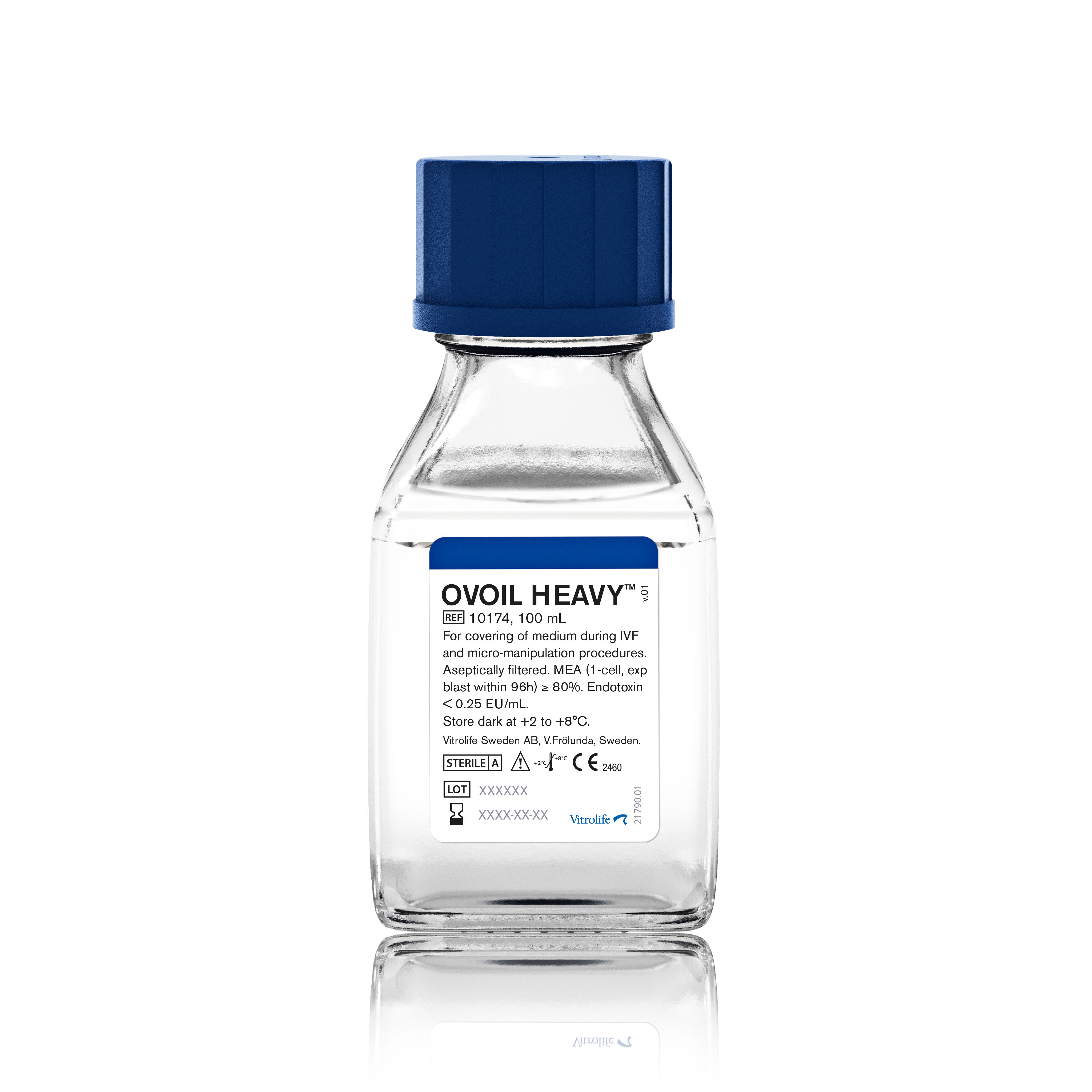
OVOIL HEAVY
- Purified to perfection OVOIL HEAVY is a high viscosity oil offering potential for improved handling and embryo viability.
-

Biopsy demonstration
Watch Nuno Costa-Borges from Embryotools SL demonstrates the technique in blastocyst biopsy with Octax NaviLase.
-

Artificial intelligence in the treatment of infertility -- Content
Artificial intelligence in the treatment of infertility The advent of time-lapse technology in IVF has provided a platform that supports improved embryo culture and evaluation, as well as increasing knowledge about embryo development. Advances in artificial intelligence (AI) methods for image analysis allow us to take embryo evaluation to the next level. The RCT study* published in Nature Medicine, demonstrates that iDAScore is 10x faster than standard manual assessment and provides similar clinical outcomes.
-

Sense needle
Collect the eggs easily and successfully with the Sense needle. This retrieval needle gives you a fast and precise egg collection that retrieves undamaged eggs without complications.
-
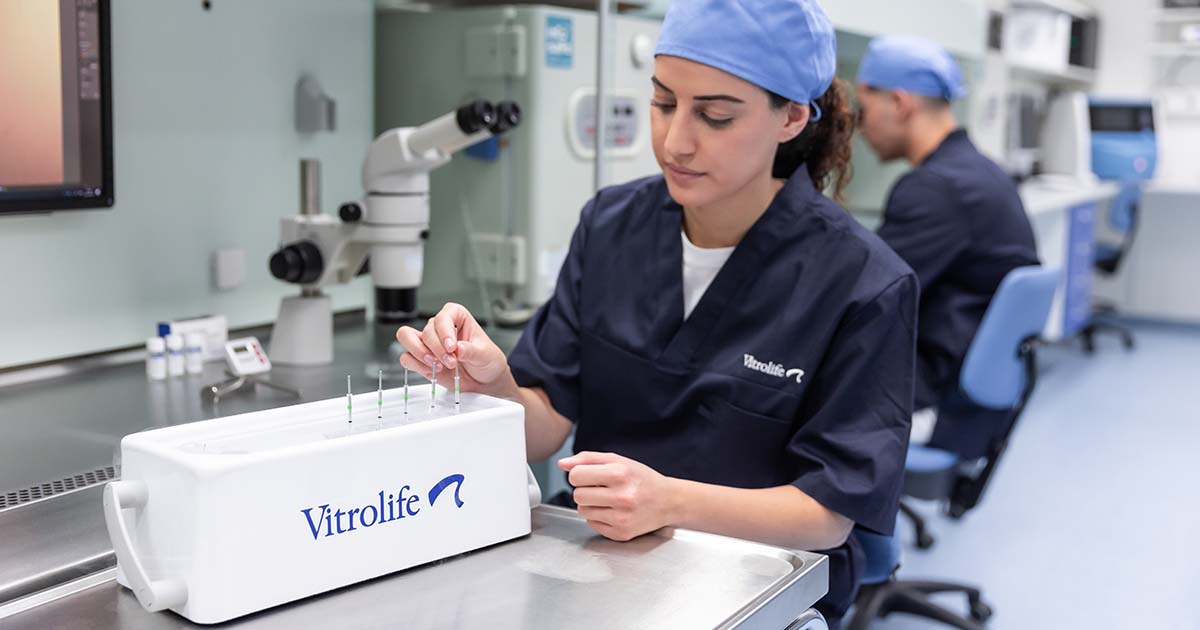
Cryopreservation - Slowfreezing & Vitrification
Maximise cryosurvival and secure workflows. Learn more about the media, cryopreservation devices, pipettes and labware you need.
-

Heavy oil can be more supportive to safe handling
In a study by Vitrolife, presented at the 13th Biennial Alpha conference in Seville, 2022 the result was that "Heavy oil can be more supportive to safe handling in IVF procedures" . In the study, more than 72% of embryologists stated that they would recommend the heavy oil to a colleague.
-

Vitrolife MEA can detect sub-optimal conditions
It has been reported that not all disposables on the market used for IVF fulfil the quality standard needed for safe procedures. Approximately 25% of all contact materials failed pre-screening with an accurate and sensitive Mouse Embryo Assay (MEA) and were considered sub-optimal for IVF 4 . Vitrolife has developed the most sensitive MEA protocols. These assays are capable of detecting toxic and sub-optimal raw materials, media, and contact materials. The MEA from Vitrolife is sensitive enough to identify subtle problems that will also lead to impaired human embryo development.